Taipei 101 and the city skyline at night, seen from Elephant Mountain — the vantage point from which Meridian Frame Research writes about international currency exposure.

Editorial research · Taipei

Meridian Frame Research: the craft of reading currency exposure with AI

Free editorial articles on how machine-learning methods enter currency-hedging decisions inside international portfolios — written for readers who want the method, not the slogan. Nothing is sold here; inquiries only.

01 · Translation drag

Why a foreign stock can fall even when the company rises

An overseas holding that climbs in local terms can still lose money for an investor whose base currency strengthens. Our articles trace how AI-assisted models separate the asset return from the currency return, so the two do not get quietly conflated in a single performance number.

02 · Hedging cost

What a hedge actually costs to carry

Forward-hedging a currency is not free; the interest-rate gap between two currencies is priced into the forward. We set out how models read that carry and weigh it against the drag an unhedged exposure would impose.

03 · Base-currency drift

When the home currency quietly re-ranks the portfolio

A portfolio's reported return shifts as the base currency moves beneath it. We explain how AI methods model that drift across reporting periods, rather than treating the base currency as a fixed lens.

How AI enters the analysis

Models that read currency as a signal, not noise

Traditional portfolio tools often treat currency exposure as a residual — what is left over once the asset decision is made. The editorial line here is different. We write about machine-learning approaches that take the currency leg seriously: clustering regimes in foreign-exchange volatility, flagging when a hedge ratio should move, and surfacing the currency pairs that drive a portfolio's reported return.

The articles do not recommend trades. They describe the method — how a model is trained on historical carry and volatility, what features it weighs, and where it tends to fail — so a reader can judge the approach rather than imitate it.

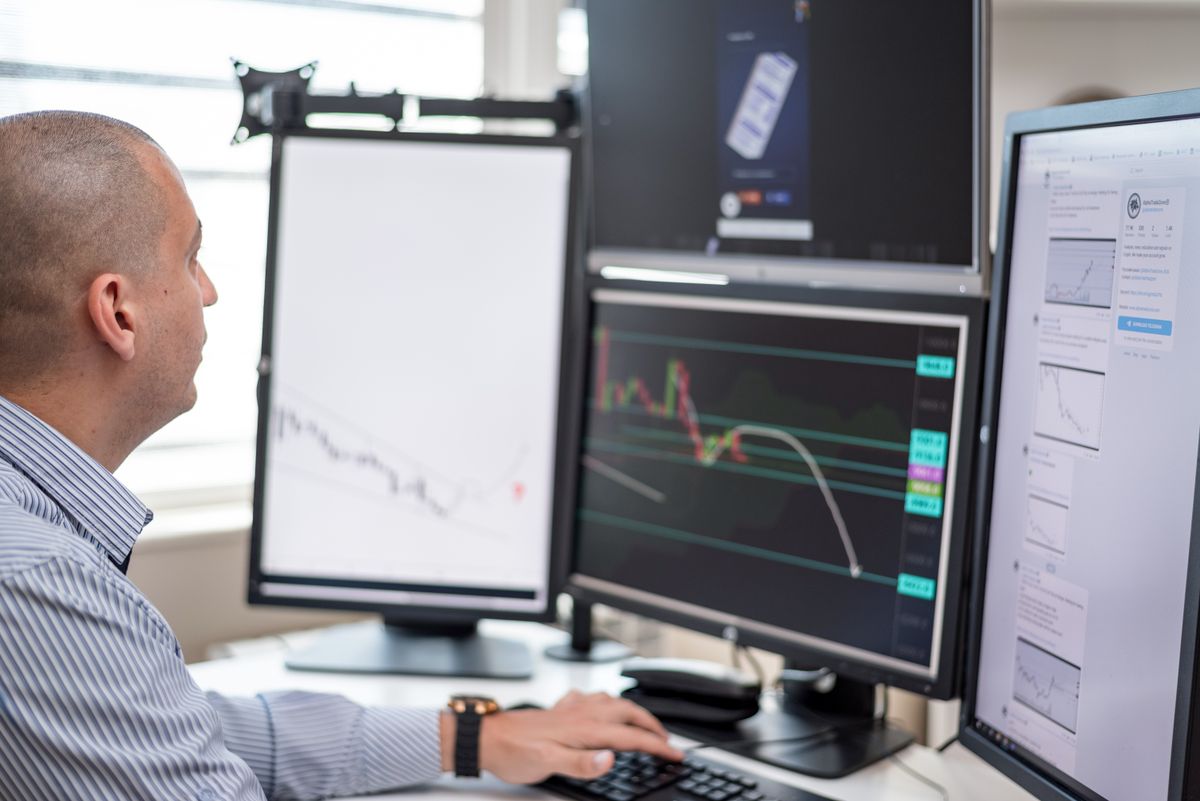
A trader's workstation with several monitors displaying financial charts and market data, illustrating the data environment in which AI currency-exposure models operate.
A research desk with documents, eyeglasses, a smartphone showing a market chart and a laptop — the working surface on which editorial articles about AI and currency exposure are drafted.

The editorial method

One article at a time, written to be read twice

Each piece is built the same way: a single question about currency exposure in an international portfolio, the data that bears on it, the model that was applied, and the limits of that model. We cite the mechanics — forward pricing, volatility scaling, base-currency conversion — rather than dressing them up.

Nothing on this site is investment advice. Nothing is sold. The articles are free to read, and the only thing we ask a reader to send is a question.

Who this is for

Readers who want the mechanism

Analysts, students and curious investors who would rather understand how a currency-hedging model works than be told which one to buy. No account, no paywall, no sign-up form.

Who this is not for

Readers who want a tip

If you came for a currency forecast or a trade to copy, this is the wrong site. We do not predict exchange rates and we do not manage money. We explain method, not position.

How to inquire

Ask the editorial desk directly

If a specific article leaves a question open — about a method, a dataset, or a pair we have not yet covered — write to us. Your message lands at a real inbox at info@meridian-frame.digital and is read by the people who wrote the pieces, not a sales team.